
(with a thank you to Yoko Ono for the title inspiration)
When I was growing up, I was conditioned to believe that “art” was to be gazed upon quietly, studied from afar with one’s hands behind one’s back, an obscure intellectual exercise presided over by long-dead masters. At a poster sale in high school, I bought a Rembrandt print because I thought I should—and never put it up. Over the years, the conventional design of public art spaces reiterated the same message: don’t get too close; they’re not for you. There remains a psychological–and sometimes even physical–barrier that separates the object from the observer. The pieces never felt immediate to me, or quite mine to enjoy.
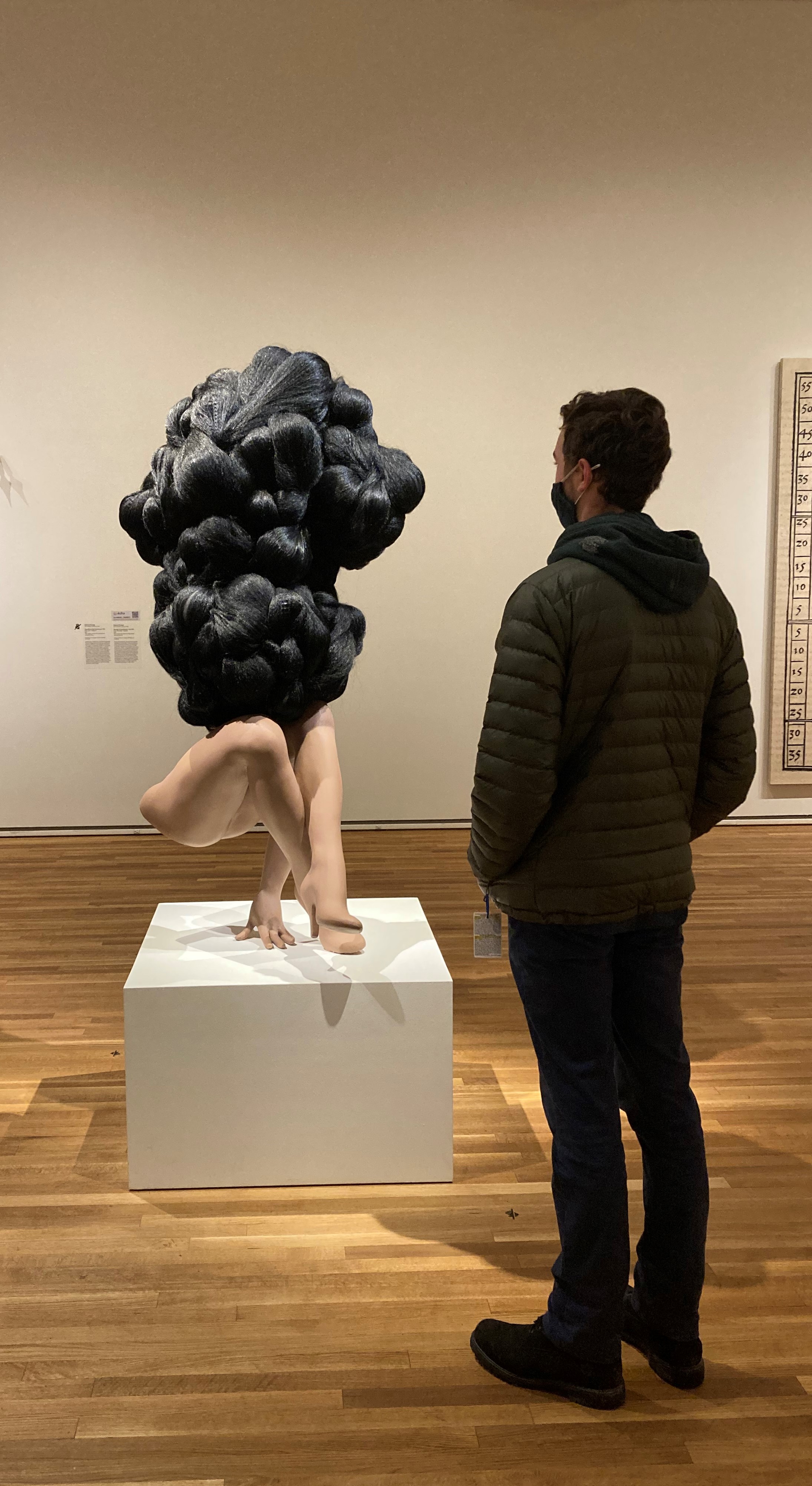
But when the galleries around me reopened after the covid lockdowns, my loved ones and I found ourselves practically sprinting into the open rooms to share those spaces again. Ecstatic to wear masks and keep our eyes open, we looked and looked, and it felt great. Instead of remote, “She was a Big Success” by Valérie Blass in the Musée des Beaux Arts, Paul Klee’s “Angst” in the National Gallery—everything we saw felt delightful, human, and outrageously close. There were signs that other people felt the same energy; wandering through the permanent collection of the National Gallery after far too long away, we interrupted a young couple making out in front of Barnett Newman’s “Voice of Fire,” and the exuberance of their embrace was part of the pleasure we took when confronted by that grand expanse of colour.
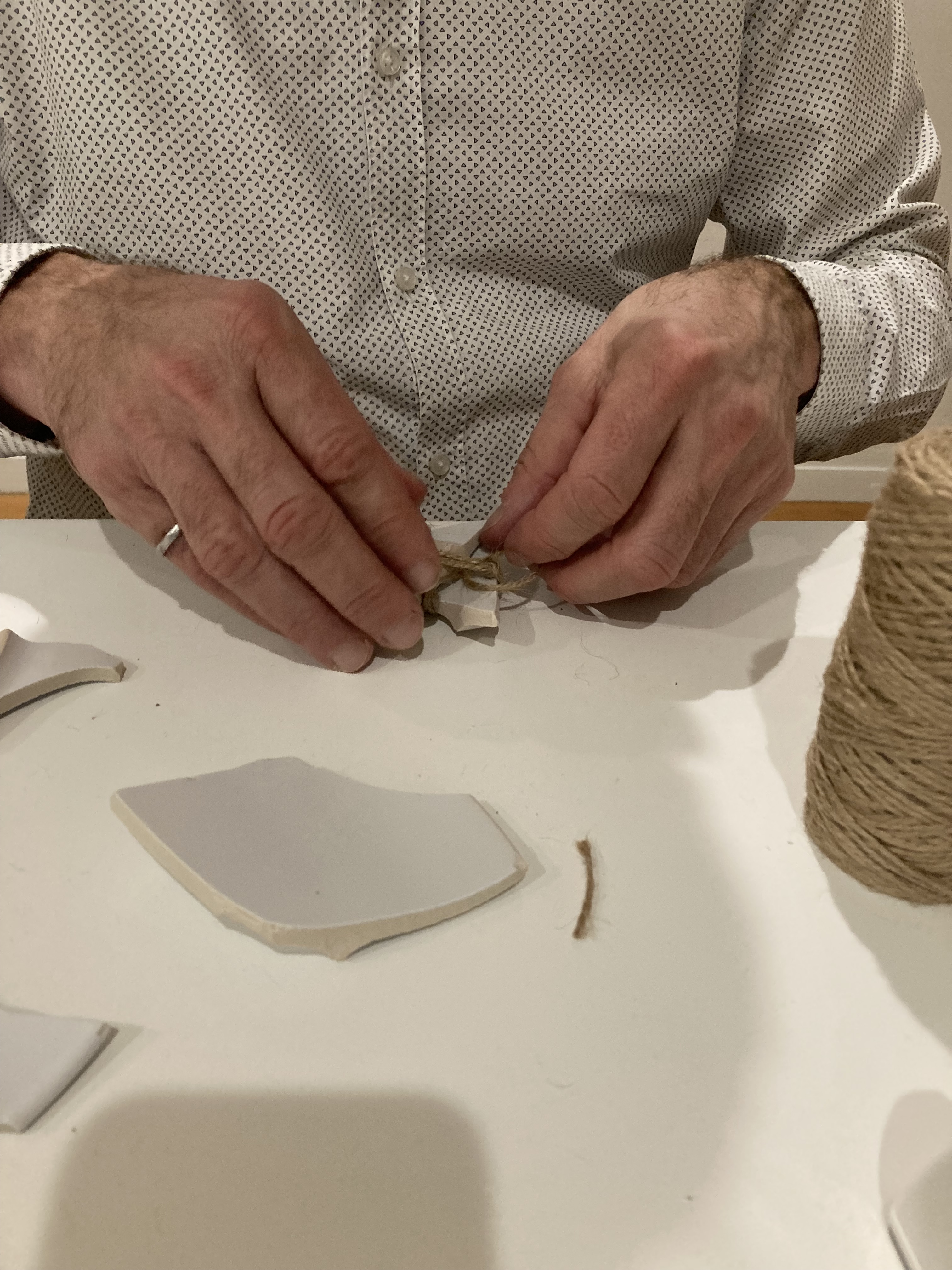
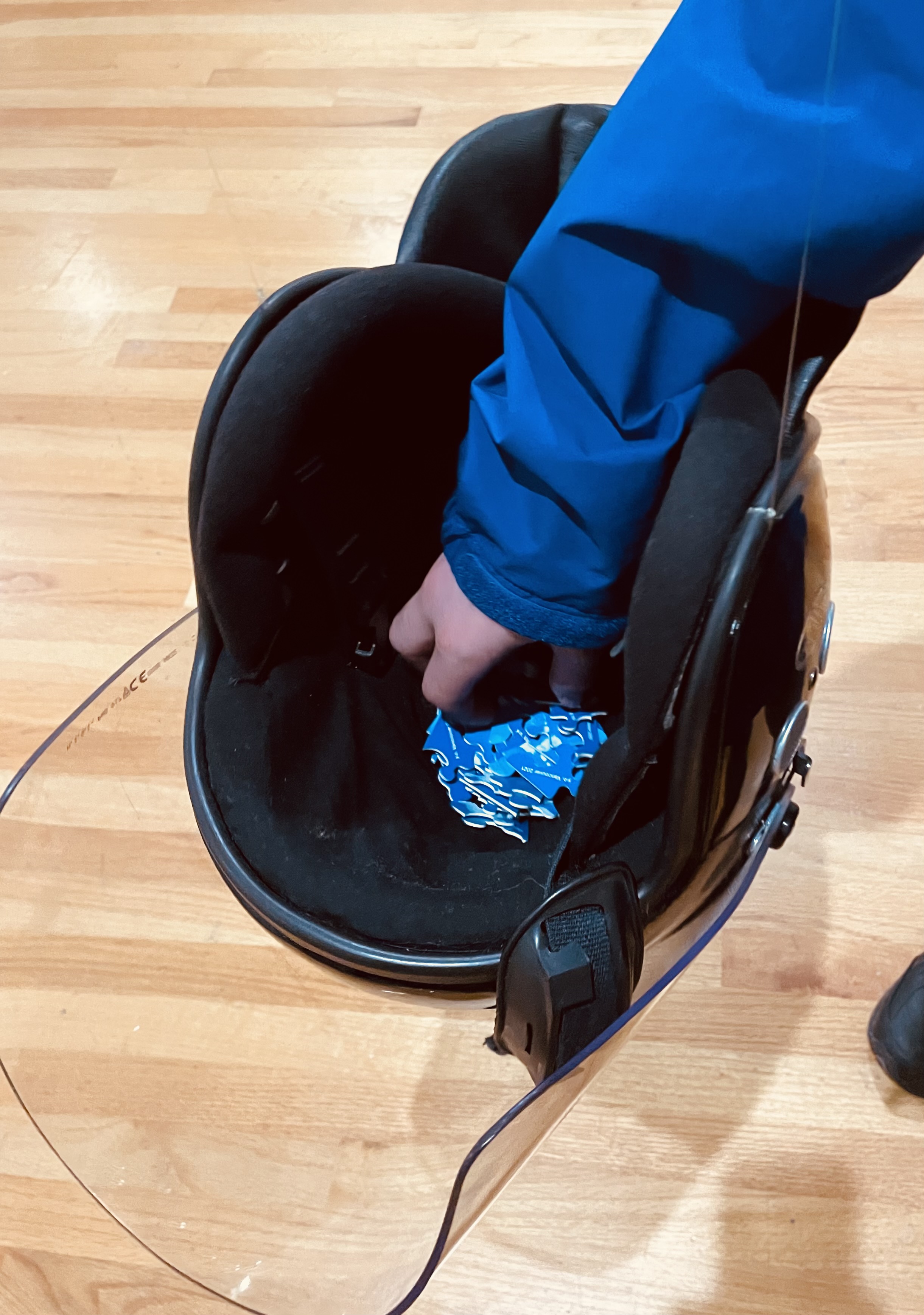
At Yoko Ono’s Imagine Peace exhibition in the Vancouver Art Gallery, we could even touch; we tied broken objects together into new shapes, moved puzzle pieces of sky into different police helmets suspended whimsically from the ceiling, and every new nail we heard being hammered into the communal board was evidence of another unique person engaging with the gallery’s shared space. The art asked us to alter its own reality just a little, and so we did, and altered ours in the process.
At the Rennie Museum in Vancouver, we interacted with interactions; we walked through the series of Katy Grannan’s intimate, reverent portraits of regular people to the inner room displaying Andres Serrano’s vandalized “The History of Sex” series and “Piss Christ”—hatchet wounds in the glass repaired with safety tape, a portion of the original “Piss Christ” totally missing. The juxtaposition of the two—the startling accessibility of Grannan’s human subjects and the blunt violence of the vandalism done to Serrano’s work, which mostly destroyed his subjects’ faces—underscored the ineffable vitality of art itself: its ability through its production and display to provoke everything from rage to reverence, empathy to action. Serrano’s decision to display the damaged pieces reminded us that art was not just for looking at, but that it also responded to and changed as the world interacted with it; it continues to talk back. Imagine.
In each of these intense pleasures, proximity proved the key, and they felt wondrously near. Though the pieces themselves hadn’t moved, I had; art had never felt so close, so lively, so alive.
 Erika Behrisch